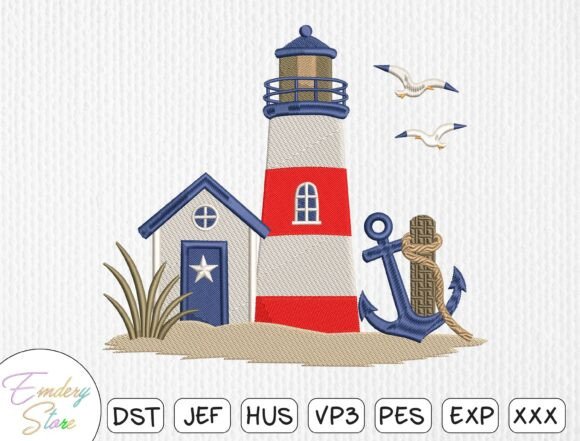
Beach House Scene Embroidery Design Review
As a professional embroidery designer and product reviewer, I approach every new machine embroidery design with a critical eye toward production viability. It is not enough for a graphic to look beautiful on a screen; it must translate into thread without puckering, breaking needles, or losing its charm on fabric. When evaluating the Beach House Scene Embroidery Design, my immediate impression is one of nostalgic serenity. The composition captures that classic coastal aesthetic perfectly, balancing the structural lines of architecture with the organic flow of seaside elements. For those of us in the craft business or running an Etsy seller account, this design signals high potential for summer-themed merchandise, but it also demands specific technical considerations to ensure the final handmade product meets professional standards.
First Impressions and Visual Composition
The visual personality of this design leans heavily into traditional Americana and coastal cottagecore. The interplay between the lighthouse structure and the beach house creates a focal point that feels established and trustworthy rather than cartoonish. From a digitizing perspective, I appreciate designs that understand negative space. A cluttered scene can become a dense, stiff patch of thread that ruins the drape of a garment. This Beach House Scene Embroidery Design appears to utilize a balanced mix of fill stitch areas for the buildings and likely running stitch or lighter fills for environmental details like grass or water. This variation in stitch density is crucial. It prevents the design from becoming a bulletproof vest on a lightweight summer t-shirt while maintaining enough coverage to read clearly from a distance.
For digital product sellers creating printable mockups, this design offers excellent versatility. The color palette—anchored by classic reds and whites—provides strong contrast against neutral backgrounds. However, when reviewing the artwork, I always advise checking how the red tones interact with different fabric bases. On a cream linen, the red will pop warmly; on a stark white canvas, it may need a darker outline or shadow element to prevent the edges from visually vibrating. Understanding these nuances is what separates a hobbyist output from a boutique-quality finished product.
Real-World Application: The Custom Tote Bag Test
To truly evaluate this asset, I mentally place it into a real production scenario. Let’s consider a custom embroidered tote bag intended for a beach resort gift shop or a personalized bridal party favor. Canvas totes are a staple tote bag design application, but they present unique challenges due to their coarse fabric texture. In this context, the Beach House Scene Embroidery Design serves as an excellent test case for stabilization strategy.
If I were stitching this out today, I would treat the canvas as a stable base but still use a medium-weight cutaway stabilizer to support the registration of multiple colors. Coastal scenes often involve layering sky behind structures and sand in front. If the embroidery file lacks proper underlay or pull compensation, the red lighthouse could shift away from the white trim, creating gaps that look unprofessional. For a commercial embroidery project where consistency is key, I would run a sample on scrap canvas first. I need to verify that the satin stitch borders on the windows and doors remain crisp and do not sink into the weave of the bag. Successfully executing this design on a tote proves its worth as a high-value small shop product that customers perceive as premium rather than mass-produced.
Apparel Considerations and Fabric Limitations
Moving from bags to custom apparel, the stakes change. Sweatshirt embroidery is generally forgiving because fleece hides minor imperfections and supports denser stitch counts. This design would likely shine on a crewneck sweatshirt, providing a cozy, vintage feel that appeals to buyers looking for holiday embroidery or vacation wear. However, caution is required for lighter garments.
I would hesitate to use this full scene on thin, stretchy knits without modification. The sheer weight of a multi-color landscape can distort the neckline or hem of a delicate top. If you plan to offer this as a baby embroidery option on onesies or bibs, you must confirm the physical dimensions and stitch count. Large, dense scenes are rarely appropriate for infant wear due to skin sensitivity and fabric integrity. Instead, reserve this specific Beach House Scene Embroidery Design for structured items like denim jackets, aprons, or pillow covers. For caps and curved surfaces, verify if the digitizer has created a specific cap version. Standard flat files often distort severely when forced onto a curved brim, ruining the architectural lines of the lighthouse.
Technical Notes for Makers and Sellers
Before listing any item featuring this design or selling the digital embroidery file itself, practical due diligence is non-negotiable. As reviewers and makers, we must protect our reputation and our machines. Here are the essential checks I recommend based on years of production experience:
- Verify Hoop Compatibility: Never assume your machine’s maximum field matches the design size. Always measure the actual design dimensions in your software before purchasing or stitching. A design that requires a 5x7 hoop will not magically fit a 4x4 frame without significant editing that may ruin the proportions.
- Test Thread Contrast: Red and white are classic, but thread brands vary wildly. Test your specific thread colors against your chosen fabric. A bright fire-engine red might look too harsh on antique linen, whereas a brick or barn red might enhance the vintage mood.
- Inspect Small Details: Zoom in at 100% in your embroidery software. Check for tiny text or minute window panes. If details are smaller than 1mm, they may turn into a muddy blob after washing. This affects the perceived value of your personalized gift.
- Stabilizer Selection: Match the stabilizer to the end use. Use tear-away for sturdy towels, but switch to poly-mesh cutaway for any wearable summer apparel to prevent scratchiness against the skin.
- Licensing Confirmation: Before using this as design assets for products you sell, explicitly check the license terms. Some designers allow finished product sales but prohibit sharing the file or using it for print-on-demand services.
Elevating Product Value Through Execution
The difference between a mediocre listing and a bestseller often lies in the execution of the embroidery itself. When customers browse Etsy or craft fairs, they are subconsciously scanning for quality markers. Clean satin stitch edges, proper color sequencing, and appropriate scale relative to the garment all signal professionalism. The Beach House Scene Embroidery Design has the inherent charm to attract buyers, but your technical skill validates the price point.
Consider the presentation. When photographing your embroidered patch or finished apparel, ensure the lighting highlights the texture of the stitches rather than flattening them. The dimensionality of the lighthouse and the sheen of the thread are selling points that digital mockups cannot fully convey. For creative entrepreneurs, offering this design in multiple formats or sizes (if permitted by the creator) can broaden your market reach. Perhaps you offer a simplified version for baby items and the full scene for home decor.
Ultimately, this design represents more than just a picture of a building; it is a vessel for storytelling. Whether you are creating a keepsake for a family reunion at the coast or stocking your boutique with seasonal goods, the success of the project relies on respecting the relationship between the digital file and the physical material. By approaching the Beach House Scene Embroidery Design with technical mindfulness and artistic intention, you transform a simple embroidery project into a tangible piece of summer nostalgia that customers will cherish. Always remember to check the specific file specifications provided by the digitizer, as stitch counts and format compatibility vary, ensuring your creative vision translates flawlessly from screen to fabric.