Ornamental Damask Butterfly Embroidery Review
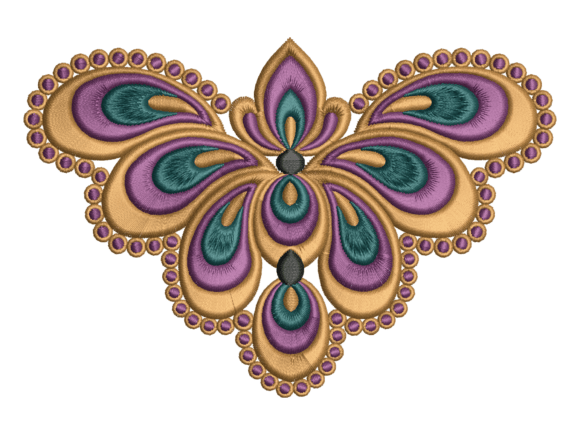
As a professional embroidery designer and product reviewer, I approach every new machine embroidery design with a critical eye. It is not enough for a digitized file to look beautiful on a screen; it must perform flawlessly under the needle and add tangible value to the finished product. When evaluating the Ornamental Damask Butterfly Embroidery, my first impression was one of sophisticated balance. While categorized under Bugs Insects, this design transcends typical nature motifs by integrating baroque damask elements. The result is a hybrid aesthetic that feels less like a biological illustration and more like a piece of vintage textile art. For makers and Etsy sellers, this distinction is vital. It suggests a level of refinement that appeals to customers seeking luxury custom apparel or heirloom-quality home decor rather than simple novelty items.
First Impressions and Visual Weight
The visual personality of this embroidery project leans heavily into regal elegance. The damask patterns within the butterfly wings create a dense, textured appearance that mimics high-end woven fabrics. From a design perspective, this is a high-impact choice. The layout is symmetrical and commanding, making it an excellent focal point for larger projects. However, as a reviewer, I immediately noted the potential complexity of the stitch density. Baroque styles often rely on intricate fill stitch work and detailed satin stitch borders to achieve their ornate look. This means the design carries significant visual and physical weight. It does not whisper; it announces itself. For a handmade product, this creates immediate perceived value, but it also demands careful consideration regarding fabric pairings and stabilizer choices to prevent puckering or distortion during production.
Real-World Application: The Custom Tote Bag Test
To truly understand how Ornamental Damask Butterfly Embroidery performs, I mentally placed it in a real-life production scenario: creating a premium canvas tote bag design for a boutique client. Canvas is a sturdy, textured substrate that generally handles dense embroidery well, making it an ideal candidate for this specific digital embroidery file. In this context, the damask butterfly serves as a centerpiece that elevates a basic utility item into a fashion accessory.
When stitching this out on canvas, the interplay between the fabric texture and the smooth sheen of rayon or polyester threads would be striking. The baroque details provide enough complexity to justify a higher price point for small shop products. However, I would advise against placing this design too close to the seams or handles. The density requires adequate space to lay flat without warping the bag’s structure. For commercial embroidery businesses fulfilling bulk orders, this design works best as a signature element rather than an all-over pattern. It pairs beautifully with minimalist typography or simple monograms, allowing the butterfly to remain the star without overwhelming the viewer. Customers reacting to this piece would likely perceive it as artisanal and intentional, distinguishing your brand from mass-produced alternatives.
Navigating Fabric Limitations and Hoop Constraints
While the Ornamental Damask Butterfly Embroidery shines on stable substrates, it requires caution when applied to delicate or stretchy materials. As an experienced reviewer, I must emphasize that not all fabrics are created equal for baroque-style Embroidery.
- Stretchy Knits and Sweatshirts: If you plan to use this for sweatshirt embroidery, you must use a heavy-duty cutaway stabilizer and potentially a topping to prevent the stitches from sinking into the fleece. The density of the damask pattern can cause tunneling if the fabric is not adequately supported.
- Sheer and Lightweight Fabrics: Avoid using this design on organza, voile, or thin cotton lawn. The stitch count and tension required for the ornate details will likely tear through lightweight fibers or create an unappealing stiff patch.
- Curved Surfaces: Be wary of using this on caps or curved sleeves. The rigid symmetry of damask designs can distort visually when wrapped around a tight curve. Flat surfaces like pillow covers, aprons, or jacket backs are safer bets.
- Small Hoop Sizes: Always verify the dimensions before purchasing. Resizing complex baroque designs down to fit a 4x4 hoop can destroy the integrity of the running stitch details and cause thread breaks. Ensure your machine’s hoop size accommodates the design at its intended scale.
Enhancing Product Value and Brand Perception
For creative entrepreneurs and craft business owners, selecting the right design assets is about more than aesthetics; it is about building trust. Ornamental Damask Butterfly Embroidery communicates professionalism. When used correctly, it signals to buyers that you understand quality construction. This is particularly relevant for personalized gifts or wedding-related items where clients expect perfection. The intricate nature of the design implies a high degree of skill and care, which justifies premium pricing.
Furthermore, this design offers versatility across seasons. While butterflies are often associated with spring, the damask styling makes it appropriate for holiday embroidery or autumn collections when rendered in jewel tones, golds, or deep crimsons. This adaptability extends the lifecycle of your inventory. For those selling printable mockups or digital previews, ensure the rendering captures the texture of the stitches. Flat vector representations fail to convey the tactile luxury of baroque embroidery, potentially leading to customer disappointment upon receipt of the actual embroidered patch or garment.
Essential Technical Notes for Makers
Before committing Ornamental Damask Butterfly Embroidery to a final product, adhere to these practical guidelines to ensure success:
- Test Stitch is Mandatory: Never run this design directly onto a sellable item without a test. Use scrap fabric that matches your final substrate’s weight and weave. Inspect the registration of fine details and the transition points between different stitch types.
- Thread Color Contrast: Damask relies on tonal variation. Test thread colors in both natural and artificial lighting. A variegated thread might enhance the baroque effect, while a solid metallic could add necessary sparkle. Conversely, low-contrast threads may cause the intricate details to disappear.
- Stabilizer Strategy: Given the likely density, err on the side of over-stabilizing. For woven fabrics, a medium-weight tear-away may suffice, but for knits or unstable weaves, a fusible mesh or polymesh cutaway provides the necessary foundation to support the applique design elements or dense fills.
- Licensing Verification: Before listing any finished item or reselling the embroidery file itself, confirm the specific license terms. Usage rights for baby embroidery products versus commercial merchandise can differ significantly between digitizers.
- Maintenance Instructions: Because of the design's complexity, provide clear care instructions to your customers. Dense embroidery can trap moisture or snag easily. Recommend gentle washing cycles and air drying to preserve the integrity of the handmade product.
Ultimately, Ornamental Damask Butterfly Embroidery is a powerful tool for makers who want to blend natural motifs with classical luxury. It demands respect for technical fundamentals, but when executed properly, it transforms ordinary textiles into extraordinary statement pieces. Whether you are an established apparel decorator or a hobbyist exploring baroque aesthetics, this design offers a rewarding challenge that yields professional, high-value results.