Rabbit Embroidery Design: A Business Merch Review
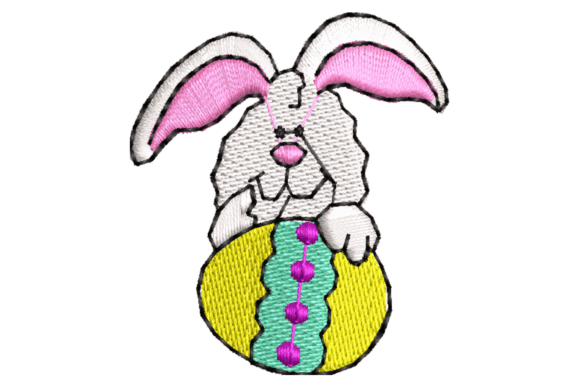
As an embroidery designer who regularly consults with small businesses on merchandise development, I approach every new machine embroidery design with a critical eye toward production viability and brand alignment. When reviewing the Rabbit Embroidery Design for commercial application, my first impression is one of approachable professionalism. The imagery of a cheerful yellow rabbit dressed as an artist, complete with a red shirt, brown shorts, and a paintbrush dripping with green paint, strikes a specific balance. It is playful enough for consumer-facing brands yet structured enough to serve as a legitimate logo mark or mascot for creative enterprises. Unlike generic clip art, this composition suggests a narrative of creativity and craftsmanship, making it particularly relevant for boutiques, art studios, bakeries, and handmade product sellers looking to elevate their brand identity.
Evaluating Visual Personality for Commercial Branding
In the context of small business merch, visual personality dictates customer engagement. This Rabbit Embroidery Design communicates warmth and artistic integrity. For a local café or florist, the artist bunny serves as a friendly ambassador that softens the transactional nature of retail. However, from a technical digitizing perspective, the multi-color palette presents both opportunities and challenges. The contrast between the yellow fur, red shirt, brown shorts, and green paint requires precise registration. If the thread colors are not perfectly aligned during production, the design can look amateurish rather than premium.
For businesses in the Easter sector, this design is naturally thematic. Yet, its utility extends far beyond seasonal holidays. Because the rabbit is depicted as a working artist holding tools, it functions year-round as a symbol of creation. This versatility is crucial for maximizing ROI on design assets. A bakery using this for spring promotions can repurpose the same embroidery file for back-to-school art classes or general branding without losing relevance. The key is treating the rabbit not just as a holiday decoration, but as a proprietary character representing your business’s dedication to craft.
Real-World Applications: From Aprons to Tote Bags
When integrating Rabbit Embroidery Design into a product line, placement is everything. Based on the description of the character holding a bucket and brush, the design has a distinct verticality and focal point that suits specific garments better than others.
- Apron Embroidery: This is perhaps the strongest use case. Placing the artist rabbit on the chest pocket area of a canvas apron creates an immediate association with handmade quality. The red shirt and brown shorts provide excellent contrast against natural linen or denim apron fabrics, ensuring visibility in busy work environments.
- Tote Bag Design: Canvas tote bags offer a stable, flat surface ideal for this level of detail. The green paint drip element adds dynamic movement that prevents the design from looking static on a large bag face. This application works exceptionally well for packaging add-ons or reusable shopping bags sold at checkout.
- Cap Embroidery: While possible, caps require caution. The curvature of a hat front can distort vertical elements like the paintbrush and bucket. If using this for headwear, I recommend testing a simplified version or ensuring the digitizer has accounted for cap-specific distortion compensation.
- Embroidered Patch: Creating a standalone patch allows for flexibility. Staff can wear them on uniforms temporarily, or they can be sold as collectible merchandise. The defined outline of the rabbit makes this suitable for merrowed edge finishing, provided the internal details remain legible at smaller scales.
Technical Constraints and Production Warnings
Despite its charm, Rabbit Embroidery Design demands respect during the production phase. As with any complex digital embroidery file, assumptions about stitch performance can lead to costly reworks. The interaction between the red shirt, brown shorts, and yellow body involves multiple color stops and potential density buildup.
Stitch Density and Fabric Texture: The transition areas between the clothing and the fur likely contain high stitch density. On lightweight fabrics like performance tees or thin cotton, this can cause puckering or needle damage. Always pair this design with appropriate stabilizer. For stretchy knits, use a cutaway stabilizer; for woven canvas or denim, a tear-away may suffice. Never assume a standard setup will work; the weight of the paint bucket and brush elements may require additional underlay to prevent shifting.
Size Limitations: Small business owners often want logos as small as possible. However, reducing this design below 3 inches could compromise the paintbrush tip and facial features. Tiny lettering or fine lines in the dripping paint may turn into thread blobs if scaled down too aggressively. Before committing to bulk production on sleeve cuffs or collar points, verify the minimum viable size with your digitizer or run a physical test.
Washability and Durability: For staff uniforms and custom apparel subjected to frequent laundering, thread selection matters. Polyester threads are mandatory here. Rayon may shine beautifully in photos, but it cannot withstand industrial washing or bleach. Ensure the green paint and red shirt threads are colorfast to maintain professional appearance over time.
Strategic Impact on Customer Trust and Value
Why invest in this specific aesthetic? In the saturated market of handmade product sales and local services, generic branding fails to create emotional connections. Rabbit Embroidery Design offers a tangible representation of "maker culture." When a customer receives an order in packaging adorned with this artist bunny, or sees staff wearing it on apron embroidery, it reinforces the idea that real people crafted their purchase.
This perception directly influences perceived value. Merchandise featuring thoughtful, character-driven embroidery sells at higher price points than items with basic text logos. Furthermore, consistency across touchpoints builds recognition. Seeing the same artist rabbit on a tote bag design, a staff uniform, and a social media printable mockup creates a cohesive ecosystem. This visual repetition signals stability and professionalism, fostering trust even in new customers.
Essential Pre-Production Checklist for Business Owners
Before running Rabbit Embroidery Design on valuable inventory, follow this professional validation protocol. Skipping these steps is the most common mistake in commercial embroidery projects.
- Verify File Specifications: Confirm the hoop size requirements match your machine capabilities. Check the exact stitch count and color sequence. If the provider did not specify licensing terms for commercial resale or branded merchandise, obtain written confirmation before selling any finished goods.
- Create a Black and White Test: Print the design in grayscale or view it in software without color. This reveals whether the design relies solely on color contrast or has sufficient structural definition. If it looks muddy in black and white, it may lack clarity when embroidered on similarly colored fabrics.
- Test on Actual Substrate: Do not rely on screen simulations. Hoop the exact fabric you intend to use for the finished product. Stitch out the design and inspect the registration between the red shirt and yellow fur. Check if the green paint drip aligns correctly with the brush.
- Assess Thread Contrast: Hold the chosen threads against the garment fabric in natural light. Yellow thread on cream fabric disappears; ensure there is adequate contrast for the rabbit to pop. Adjust thread choices if necessary to maintain visibility.
- Mockup for Client Approval: If you are a decorator producing for another business, always generate a printable mockup showing the Rabbit Embroidery Design in situ. Manage expectations regarding size and placement before hooping expensive garments.
- Compare Against Existing Assets: Place this design beside current logos or marketing materials. Does the style match? If your brand is minimalist and modern, this illustrative style might clash. Ensure visual consistency across all design assets.
Rabbit Embroidery Design represents more than just a cute seasonal graphic; it is a functional asset for businesses centered on creativity and personal touch. By approaching its implementation with technical diligence and strategic intent, small business owners can transform this charming artist bunny into a powerful symbol of their brand's quality and character. Whether used for Easter promotions or year-round studio branding, success lies in respecting the craft of embroidery itself.