Spider: A Modern Embroidery Design Review
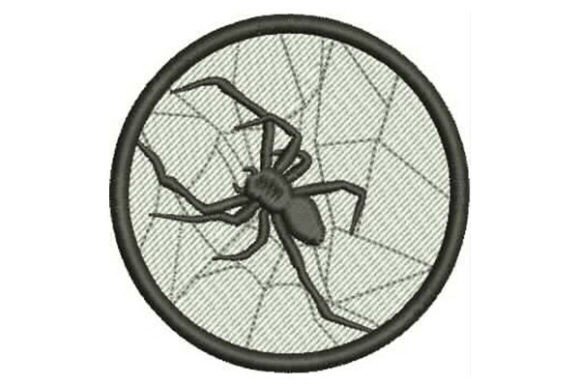
As an embroidery designer who constantly evaluates digital assets for both personal creativity and commercial viability, I approach every new machine embroidery design with a critical eye. It is not enough for a graphic to look good on a screen; it must translate into thread, texture, and tangible value. When reviewing the Spider design, my immediate impression was that this is not your typical, cartoonish Halloween clip art. Instead, it offers a modern, trendy aesthetic that feels intentional and stylized. This distinction matters significantly when you are curating products for an Etsy shop or planning a seasonal collection for a boutique. The mood is contemporary rather than juvenile, making it a versatile candidate for audiences ranging from teens to adults who want seasonal decor without the kitsch.
Real-World Application: Stitching the Tote Bag Test
To truly understand how Spider performs, I mentally placed it in a real-life production scenario. For this review, I envisioned creating a custom canvas tote bag intended as a transitional autumn accessory. Tote bags are excellent test subjects because they offer a stable, medium-weight fabric texture that reveals stitch definition clearly. In this context, Spider serves as a bold focal point rather than a background filler.
When visualizing this tote bag design, I considered the balance between negative space and stitch coverage. A modern spider motif relies heavily on line quality. If the legs are rendered with a clean satin stitch, the result is sleek and high-end. However, if the design utilizes excessive fill stitch areas to create bulk, the bag could become stiff and unappealing to carry. From a designer’s perspective, Spider appears optimized for visual impact without unnecessary density, which is crucial for maintaining the drape and feel of functional items like apparel and bags. For a handmade product seller, this balance directly influences customer satisfaction and perceived value.
Versatility Across Apparel and Decor Projects
Beyond tote bags, this design shows strong potential for various custom apparel applications. I can easily see Spider working as a chest placement on a cream or charcoal sweatshirt. The modern styling allows it to function as streetwear rather than just a costume piece. For sweatshirt embroidery, the design needs to hold its own against fleece textures, and the likely contrast in this file suggests it will pop effectively against both light and dark garments.
For home decor, specifically tea towels or pillow covers, Spider offers a fresh accent that avoids looking dated. Many holiday embroidery designs suffer from being too specific to October 31st, but this trendy interpretation allows for merchandising throughout the entire fall season. If you are an Etsy seller or run a craft business, this extends your selling window. It also translates well to smaller projects. As an embroidered patch for denim jackets or backpacks, the distinct silhouette ensures recognizability even at reduced sizes. For those creating personalized gifts, such as nursery decor or baby blankets, caution is needed regarding style; however, if the design leans towards geometric or minimalist, it could work beautifully for a "spooky cute" theme that appeals to modern parents.
Technical Considerations and Fabric Limitations
While the aesthetic is promising, practical execution requires attention to detail. Not every fabric is suitable for this type of motif. When working with stretchy knits for t-shirts or lightweight fabrics for baby items, proper stabilization is non-negotiable. A design with intricate leg details or open spaces can distort if the stabilizer choice does not match the fabric texture. I always recommend testing on scrap material first to ensure the registration holds up.
Be mindful of hoop size limitations. If you plan to resize Spider significantly, check the integrity of the stitches. Reducing a design too much can cause satin columns to merge or tiny details to disappear, while enlarging it might expose gaps in the fill. For curved surfaces like caps, verify that the design layout accommodates the curve; a wide, horizontal span might distort on a hat front unless specifically digitized for headwear. Additionally, consider washability. Items like kitchen towels and children's clothes require frequent laundering. Ensure the stitch density is sufficient to withstand wear without puckering, yet light enough to remain flexible. Always confirm whether the embroidery file includes adequate underlay for the specific fabric types you intend to use.
Enhancing Product Value and Buyer Engagement
The visual appeal of Spider directly impacts buyer engagement. In the crowded marketplace of digital and physical goods, professionalism builds trust. A clean, modern design signals quality to customers browsing printable mockups or finished product photos. When listing this item, avoid generic descriptions. Instead, highlight the "trendy makeover" aspect mentioned in the product details. Show it styled on lifestyle products to demonstrate its versatility beyond standard Halloween fare.
For sellers of digital embroidery files, providing accurate previews is essential. Test the design in black and white mockups to ensure the values read correctly without color reliance. Compare it against varied backgrounds to help buyers visualize the end result. If you are selling finished goods, consistency in thread colors and placement reinforces brand identity. Customers return to shops where the design assets feel curated and cohesive. Using Spider as part of a coordinated fall collection—perhaps paired with matching typography or complementary botanical elements—can increase average order value and encourage repeat business.
Essential Designer Notes Before You Stitch
Before loading this digital embroidery file into your machine, take these practical steps to ensure success:
- Verify Specifications: Since exact stitch counts and dimensions are not provided here, always open the file in your editing software or viewer to confirm it fits your intended project and hoop.
- Check Licensing: Confirm whether your purchase includes commercial rights if you plan to sell finished products or distribute the file. Protecting your business starts with respecting intellectual property.
- Thread Contrast Testing: Run a sample on both light and dark fabrics. Some designs rely on internal contrast that may get lost on similarly colored backgrounds.
- Stabilizer Matching: Do not guess. Use cut-away for knits and tear-away for wovens, adjusting weight based on the design's density.
- Detail Inspection: Zoom in on the digital file to check for overlapping stitches or jump stitch paths that might need manual adjustment for cleaner production.
- Mockup Validation: Create realistic previews showing the design on actual products, not just flat digital renders, to set accurate customer expectations.
Ultimately, Spider represents a valuable addition to a modern embroiderer's library. Its strength lies in its ability to bridge the gap between seasonal novelty and enduring style. Whether you are stitching a commercial embroidery order for a local boutique or crafting a unique gift for a friend, approaching this design with technical mindfulness and creative intention will yield professional results. Remember that the best embroidery project outcomes come from understanding both the art and the engineering behind the thread. Take the time to test, adjust, and present this design thoughtfully, and it will serve as a reliable asset for your creative endeavors this season and beyond.