Decorative Flower Embroidery for Craft Fair Sales
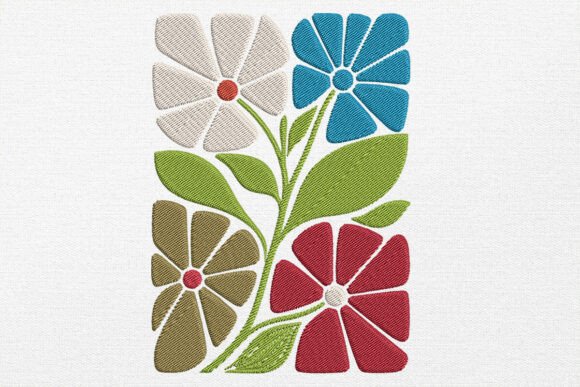
As I prepare my inventory for the upcoming weekend craft fair, my primary focus is selecting designs that bridge the gap between digital artistry and tangible, sellable goods. When evaluating the Decorative Flower Embroidery pattern for my booth display, I am looking for more than just a pretty image on a screen. I need a design that translates into profit. This specific boho floral embroidery pattern, featuring elegant wildflowers in a minimalist style, immediately signals strong potential for the modern handmade market. However, as an experienced designer, I know that what looks delicate on a monitor must also withstand the rigors of production and the scrutiny of in-person shoppers.
First Impressions and Market Positioning
The first impression of this Decorative Flower Embroidery is undeniably soft yet sophisticated. It avoids the cluttered, overly dense aesthetic that can sometimes plague botanical designs, leaning instead into a clean, minimalist line art style. For a craft fair table, this is a significant advantage. Shoppers walking through crowded aisles are often overwhelmed by visual noise; a minimalist wildflower design offers a moment of visual calm that draws the eye. It feels premium and intentional rather than generic.
In the context of the Single Flowers Plants category, this design stands out because it captures movement. Many floral machine embroidery design files are stiff and symmetrical, but this pattern suggests organic growth. For an Etsy seller or boutique maker, this positions the product as "artistic" rather than merely "decorative." It appeals to the customer who values slow living and natural aesthetics, making it an ideal candidate for higher-priced artisan goods rather than mass-market trinkets.
Best Performing Products for Booth Displays
When planning my table layout, I have to decide where this design will generate the highest return on investment. Based on the description of elegant wildflowers and minimalist styling, I have identified three high-potential applications for this embroidery file.
- Tote Bag Design: This is likely your strongest seller for this specific pattern. The large, open canvas of a natural cotton tote allows the wildflower stems to breathe. The minimalist style contrasts beautifully against unbleached canvas or linen, creating that coveted boho-chic look that flies off tables at summer markets.
- Tea Towel Embroidery: Kitchen textiles are a staple for handmade product sales. Because this design features line art, it remains lightweight and absorbent, avoiding the stiff, bulletproof feel of densely stitched florals. It elevates a simple tea towel from a utility item to a giftable piece of kitchen decor.
- Hoop Art and Wall Decor: Since the description explicitly mentions hoop art, this is a low-risk, high-reward option. Framing the finished product eliminates the variable of garment fit and fabric texture. A series of these hoops creates a cohesive booth backdrop that reinforces brand consistency.
While apron embroidery is another viable option, I would reserve this design for lighter-weight aprons or bib-style fronts. Heavy-duty work aprons might clash with the delicate nature of the wildflower motif. Similarly, while embroidered patches are popular, ensure the design maintains clarity when scaled down before committing to batch production.
Production Practicality and Batch Efficiency
For a small shop product to be profitable, it must be efficient to produce. The minimalist nature of this Decorative Flower Embroidery suggests a lower stitch count compared to filled satin-stitch florals. This is excellent for commercial embroidery workflows. Lower stitch counts mean faster run times, less thread consumption, and reduced wear on your machine during marathon stitching sessions before a fair.
From a photography standpoint, line art designs are generally easier to light and photograph for online listings. They create natural shadows and highlights without requiring complex color correction. When creating a printable mockup for your Etsy listing, the clean lines of this design will render sharply even at smaller thumbnail sizes, helping customers understand exactly what they are purchasing. This clarity reduces customer service inquiries and returns.
Critical Use Notes and Technical Constraints
Despite its versatility, there are specific technical considerations to keep in mind when using this digital embroidery file. Minimalist does not always mean simple to execute perfectly.
- Fabric Texture Sensitivity: Line art relies entirely on precision. If you are stitching on textured towels or slubbed linen, the single lines may get lost in the weave. You must use an appropriate stabilizer, potentially a water-soluble topping, to keep the stitches crisp and visible.
- Scaling Limitations: While the design is perfect for larger items, be cautious about reducing it too small for caps or pockets. Thin line art can disappear or become jagged if resized below its intended minimum. Always check the digitizer’s recommended size range.
- Thread Contrast: This design demands high contrast. Pale thread on white fabric will vanish in person, even if it looks fine on a backlit screen. For dark fabrics, ensure the thread has enough sheen to stand out against the background.
- Curved Surfaces: If attempting cap embroidery, remember that line art distorts easily on curved surfaces. Test the design on a curved cap blank first; you may need to adjust the pull compensation in your software to prevent gaps in the stems.
Designer Checklist Before Selling Finished Products
Before I load this embroidery file into my machine for a production run, I follow a strict validation process. As creative entrepreneurs, we cannot rely solely on the preview image. Here is my mandatory checklist for ensuring this Decorative Flower Embroidery meets professional standards:
- Test Stitch on Actual Material: Never assume a design works on your final product based on a test run on felt. Stitch it on the exact tote bag or tea towel fabric you intend to sell. Check for puckering and registration issues.
- Verify Commercial Licensing: The product description notes that the Love Hands Line Art Embroidery Design is a specific type, but you must confirm the license terms. Ensure you have the right to sell physical finished products derived from this digital asset before listing them.
- Assess Stabilizer Pairing: Match your stabilizer to the fabric weight. A tear-away might suffice for canvas totes, but a cut-away or wash-away is likely necessary for apparel or delicate linens to maintain the elegant drape.
- Create a Physical Mockup: Digital mockups are useful, but a real photo sells better. Create at least one physical sample to verify that the scale feels right in hand. Does the flower look proportional on the apron pocket? Is the placement flattering?
- Check Thread Colors Against Fabric: View your thread selection in natural daylight. Indoor studio lighting can be deceptive. Ensure the boho palette you selected reads correctly in the outdoor or mixed-lighting environment of a craft fair.
Enhancing Value Through Presentation
Ultimately, the success of this Decorative Flower Embroidery at a market depends on how you present it. Because the style is minimalist, the surrounding negative space is part of the design. Do not overcrowd your booth table. Allow each embroidered piece room to be appreciated. Use natural props like dried branches or ceramic vessels to reinforce the wildflower theme without competing with the needlework.
For digital sellers offering this as a standalone file, emphasize its versatility in your listing description. Highlight that it is suitable for both beginners (due to minimal complexity) and advanced embroiderers (due to the elegance of the result). Mention specific use cases like pillow covers and market bags to help buyers visualize the end result.
By treating this design not just as a collection of stitches but as a strategic business asset, you maximize its potential. Whether you are producing a limited run of artisan tea towels or stocking your Etsy shop with versatile digital assets, this boho floral pattern offers the perfect blend of aesthetic appeal and production practicality. Just remember to respect the technical requirements of line art, and your finished products will reflect the quality and care that handmade customers are willing to pay for.