Decorative Peacock Feather Embroidery Review
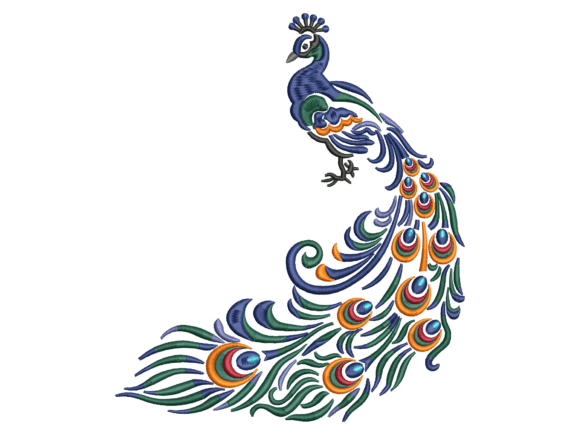
As an experienced embroidery designer preparing for a busy weekend craft fair, my selection process is rigorous. I do not simply choose designs because they are pretty on a screen; I choose them because they translate into sales on a table. When evaluating the Decorative Peacock Feather Embroidery for my upcoming market lineup, I am looking at this digital embroidery file through the lens of production efficiency, visual impact, and customer appeal. This machine embroidery design falls squarely into the Animals category, but its application in Embroidery extends far beyond standard wildlife motifs. It offers a unique blend of organic texture and luxury that can elevate a handmade product from simple to premium.
First Impressions and Market Positioning
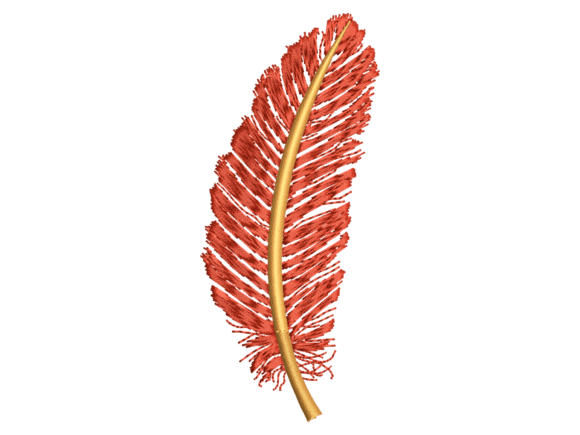
My immediate assessment of Decorative Peacock Feather Embroidery is that it reads as elegant and bohemian rather than cartoonish or strictly rustic. In the context of a craft fair booth, where customers scan tables quickly, this design possesses the necessary vertical flow to catch the eye. Unlike circular or blocky animal designs, a feather motif creates movement. For an Etsy seller or boutique maker, this implies a sophisticated aesthetic. It does not feel like a novelty item; it feels like a decorative accent suitable for adult fashion and home decor. The intricate nature of plumage suggests high value, which allows for better profit margins on finished goods compared to simpler, less detailed patterns.
Best Selling Applications for Craft Fairs
Determining where to place this design is critical for inventory planning. Based on the linear structure and potential detail of Decorative Peacock Feather Embroidery, I have identified specific products that will perform best in a live selling environment.
- Tote Bag Design: Canvas tote bags are a staple for any small shop product line. A peacock feather placed vertically along the side seam or centered on a natural cotton bag creates an instant focal point. The contrast of shimmering thread against matte canvas is a proven seller.
- Tea Towel Embroidery: Kitchen textiles require designs that withstand washing while remaining attractive. This motif works beautifully on flour sack towels because the vertical orientation mimics the shape of the towel itself. It transforms a utilitarian item into giftable art.
- Apron Embroidery: For gardeners and artists, an apron featuring this design adds a touch of whimsy without being childish. Placing the feather near the bottom hem or pocket area utilizes the garment's shape effectively.
- Embroidered Patch: If you produce accessories, this design is ideal for patches. The distinct outline of a feather makes for clean cutting edges, and the internal detail remains visible even at smaller sizes when hooped correctly.
- Pillow Covers: Home decor buyers love texture. Using this design on linen or velvet pillow covers leverages the luxurious association of peacock imagery, making it a strong contender for higher-priced booth items.
Production Practicality and Batch Efficiency
For commercial embroidery and batch production, time is money. Before committing Decorative Peacock Feather Embroidery to a full production run, I evaluate its stitch economy. Feather designs can sometimes be trap-heavy, meaning excessive jump stitches and trims that slow down the machine. However, a well-digitized feather should utilize running stitches and satin columns efficiently. As a digital embroidery file, I must verify the sequencing before stitching out fifty units. If the design requires constant re-hooping or complex stabilizer changes, it may not be viable for rapid craft fair prep. Conversely, if it stitches out smoothly with minimal intervention, it becomes a reliable workhorse for creating consistent inventory.
Photographing this design for online listings also favors the seller. The elongated shape fits perfectly within portrait-mode social media frames and printable mockup templates. Unlike wide landscape designs that get cropped awkwardly, Decorative Peacock Feather Embroidery maintains its integrity in thumbnails, ensuring that your Etsy listing photos accurately represent the physical product.
Critical Technical Considerations and Fabric Pairings
While the aesthetic is strong, technical execution determines whether a customer buys or walks past. There are specific cautions I apply when working with this type of machine embroidery design.
Fabric Texture and Stabilizer Choice
Peacock feathers rely on fine details to mimic barbs and iridescence. On textured fabrics like terry cloth or waffle weave tea towels, these details can get lost. You must use a water-soluble topping to prevent stitches from sinking into the pile. For caps, the curved surface presents a challenge; ensure the design is specifically digitized for caps or flattened appropriately to avoid registration issues. Dark fabrics require careful thread color selection. While peacocks are naturally vibrant, using neon threads on black fabric can look cheap. Opt for rich jewel tones or metallics to maintain the premium feel expected by handmade product buyers.
Size and Density Management
Resizing is a common necessity for creative entrepreneurs, but it carries risk. Reducing Decorative Peacock Feather Embroidery too much can cause satin stitches to become too narrow, leading to thread breaks or a loss of definition. Enlarging it excessively may result in sparse coverage or puckering. Always check the original hoop size specifications included in the ZIP or RAR download. Never assume a design is resize-friendly without testing. Stitch density must remain balanced regardless of the final dimensions to ensure the fabric does not distort.
Designer Notes for Successful Implementation
Before listing any item featuring this design, adhere to these professional protocols to protect your business reputation and ensure customer satisfaction.
- Test Stitch on Scrap Fabric: Never run a production piece first. Test Decorative Peacock Feather Embroidery on the exact fabric and stabilizer combination you intend to sell. Check for puckering, thread tension, and alignment.
- Verify Thread Contrast: View the test stitch in natural daylight. Booth lighting and indoor home lighting differ significantly. Ensure the thread colors pop against the fabric base in various lighting conditions.
- Confirm Licensing: Since this is a digital product with no returns or refunds, you must understand your usage rights immediately upon purchase. Verify if the license permits selling finished physical products at craft fairs and online. Do not assume commercial rights are included.
- Create Real Mockups: Digital renderings are useful, but photographing a real sample builds trust. Buyers want to see how the embroidery interacts with the fabric grain. Use these photos for both your booth signage and online listings.
- Inspect File Integrity: Upon instant download, extract the files and confirm all formats are present and uncorrupted. Organize your design assets immediately to avoid production delays during busy market seasons.
Elevating Brand Value Through Strategic Design
Ultimately, incorporating Decorative Peacock Feather Embroidery into your product line is about more than just filling a hoop. It is about signaling quality to your audience. In the saturated market of handmade goods, specificity sells. A generic bird might blend in, but a stylized, elegant feather communicates intentionality. Whether you are an established Etsy seller or a new vendor setting up your first table, this design offers versatility across multiple categories. It bridges the gap between nature-inspired rustic goods and refined boutique accessories.
By treating this digital embroidery file as a strategic asset rather than just another pattern, you maximize its return on investment. Pay attention to the technical nuances of stitch density and fabric pairing, respect the licensing terms, and present the finished product with confidence. When executed correctly, Decorative Peacock Feather Embroidery becomes a signature element of your brand, drawing customers in with its beauty and keeping them engaged through superior craftsmanship. Remember, in the world of craft fairs and handmade markets, the difference between a browse and a buy often lies in the tangible quality of the embroidery itself.