Red Decorative Feather Embroidery: A Business Review
As a professional embroidery designer specializing in commercial merchandise, I approach every new machine embroidery design with a critical eye toward production viability and brand application. When evaluating the Red Decorative Feather Embroidery for small business use, my primary focus is not just aesthetic appeal, but how this digital asset performs on actual garments and accessories. For shop owners, Etsy sellers, and apparel decorators, a design must bridge the gap between artistic expression and functional branding. This review analyzes the technical and commercial potential of this specific motif for creating professional-grade small business merch.
Visual Personality and Brand Identity Alignment
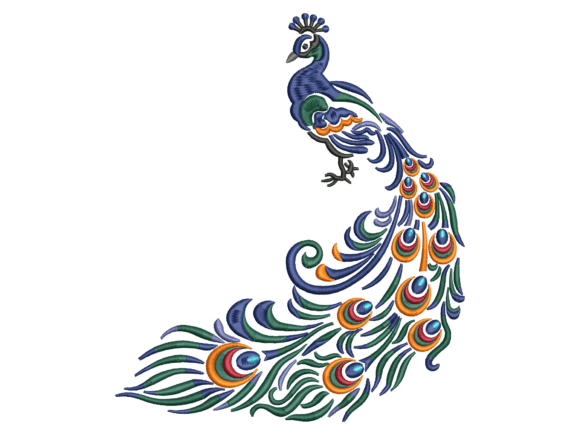
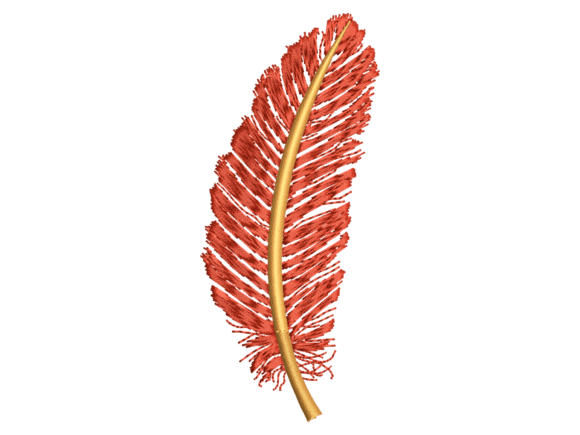
The first impression of Red Decorative Feather Embroidery suggests a balance between organic elegance and bold visibility. In the context of brand identity, red is a high-impact color that commands attention without requiring excessive size. While categorized under Animals, this stylized feather reads more as a decorative accent than a literal zoological illustration. This abstraction is crucial for commercial use because it allows the design to transcend niche pet markets and function as a versatile symbol for florists, bakeries, creative studios, and boutique retailers.
For a handmade product line or an artisanal café, this design conveys warmth and craftsmanship. It avoids the sterile look of corporate vector art while maintaining enough structure to appear professional on staff uniforms. The decorative nature implies movement and lightness, making it particularly suitable for businesses that want to project a friendly, approachable, yet polished image. However, because red is dominant, it serves best as a standalone mark or a complementary accent rather than a background element. Merch creators should view this as a signature graphic that anchors the visual tone of their custom apparel or packaging.
Commercial Applications Across Merchandise Types
Versatility is the hallmark of a profitable embroidery file. Based on the structural characteristics of a decorative feather, this design shows strong promise across several key product categories essential for small business growth.
- Embroidered Patches: The elongated shape of a feather is ideal for patch production. It fits naturally within standard oval or rectangular borders and offers sufficient surface area for clean satin stitch edges. This makes it an excellent candidate for morale patches, club insignias, or branded add-ons for denim jackets and backpacks.
- Apron Embroidery: For cafes, florists, and potters, aprons are prime real estate. The vertical orientation of a feather design complements the long lines of an apron bib or waist tie. It provides a sophisticated alternative to blocky text logos, adding a touch of artisanal flair to staff attire.
- Tote Bag Design: Canvas totes require designs with good coverage and contrast. A red feather on natural cotton canvas creates immediate visual pop. This application works well for event merch, farmer’s market branding, or customer appreciation gifts where visibility is paramount.
- Cap Embroidery: Curved surfaces present unique challenges, but a streamlined feather motif often digitizes better for caps than complex circular logos. Placed on the side panel or centered above the brim, it offers a modern, athletic, or outdoorsy aesthetic depending on the cap style.
- Sleeve and Cuff Details: Small business owners often overlook secondary placement areas. This design can serve as a subtle sleeve badge on work shirts or polo uniforms, providing brand recognition without dominating the chest area reserved for primary logos.
Technical Considerations for Production Stability
A beautiful screen image does not guarantee a flawless finished product. As an experienced digitizer, I must highlight specific technical constraints when using Red Decorative Feather Embroidery in a commercial setting. Understanding these factors prevents wasted materials and ensures consistent quality across bulk orders.
Fabric Texture and Stabilizer Selection
The performance of this digital embroidery file will vary significantly based on substrate choice. On textured fabrics like linen or burlap, fine details in the feather barbs may get lost or sink into the weave. For such materials, I recommend using a heavier cutaway stabilizer and potentially a water-soluble topping to keep stitches crisp. Conversely, on smooth performance wear or nylon windbreakers, the design should register cleanly, but needle heat from high-speed red thread runs must be monitored to prevent fabric puckering. Always match your stabilizer weight to both the design density and the garment stretch factor.
Stitch Density and Wash Durability
Red thread can sometimes show tension issues or bobbin bleed more readily than darker colors. Before running full production, verify the stitch density. If the feather uses dense fill stitches, ensure there is adequate pull compensation in the file to prevent gaps after washing. For items destined for frequent laundering, such as restaurant uniforms or salon aprons, test the design’s integrity after three wash cycles. Loose satin stitches at the tips of the feather are common failure points; if detected during testing, the file may require editing to add securing underlay or adjust stitch angles.
Sizing Limitations and Hoop Compatibility
While the title suggests a decorative scale, users must confirm the exact dimensions included in the ZIP or RAR download. Reducing a complex feather design below 2 inches can result in thread breaks and muddy details due to overlapping stitches. Conversely, enlarging it beyond its original digitized size may cause sparse coverage or distortion. Always check the recommended hoop size before purchasing. If you plan to use this for cap embroidery, ensure the file includes a version specifically digitized for curved hoops, as flat designs often distort when forced onto a cylindrical frame.
Strategic Implementation for Small Businesses
Integrating Red Decorative Feather Embroidery into your product lineup requires strategic planning beyond mere stitching. To maximize return on investment and maintain professional standards, follow these designer-approved protocols.
- Create Printable Mockups First: Before stitching a single test run, place the design digitally onto photos of your actual merchandise. A printable mockup helps visualize scale and placement relative to seams, pockets, and other design assets. This step is vital for client approval and avoiding costly positioning errors.
- Test Thread Color Contrast: Red varies wildly between brands (e.g., Madeira vs. Robison-Anton). Stitch out a color comparison on your target fabric. Ensure the red provides sufficient contrast against both light and dark backgrounds if you offer multiple uniform colors. Low contrast kills readability and perceived value.
- Verify Commercial Licensing: Since this is a digital product with no returns, confirming usage rights is non-negotiable. Check the license terms included in the download to ensure commercial embroidery is permitted. Some files allow personal use only, which would legally prohibit selling branded merchandise or using it on staff uniforms.
- Run a Black and White Test: Print the design outline in black and white to evaluate value separation without color bias. If the feather loses definition in grayscale, it may lack necessary internal detail lines. This test reveals whether the design relies too heavily on color alone to convey form.
- Inspect Spacing and Registration: Zoom in on the file in your embroidery software. Look for excessive jumps or poor registration between the feather shaft and barbs. Clean jump paths reduce trimming time and improve production efficiency, directly impacting your profit margins on bulk custom apparel orders.
Evaluating Value for Digital Asset Investment
For small business owners and merch creators, every embroidery file purchase is a business decision. Red Decorative Feather Embroidery offers distinct advantages for brands seeking a blend of tradition and vibrancy. Its strength lies in its ability to function as both a primary logo for niche brands and a secondary decorative element for broader retail collections. The instant download format facilitates rapid prototyping, allowing shops to respond quickly to seasonal trends or custom client requests.
However, success depends entirely on proper execution. The lack of physical shipping means you bear full responsibility for testing and validation. Treat this file as a raw ingredient rather than a finished meal. By rigorously testing stitch density, respecting sizing limits, and aligning the motif with your specific brand identity, you transform a simple digital download into a valuable asset for handmade product lines and professional merchandise. Remember that in commercial embroidery, consistency builds trust. A well-executed red feather signifies attention to detail, whereas a poorly tested one suggests amateurism. Invest the time in sampling, and this design can become a staple in your commercial embroidery portfolio.