Love Cat: A Designer’s Review for Personalized Gifts
As an embroidery designer who manages a steady stream of custom orders, I am constantly evaluating new designs to see if they can withstand the rigors of commercial production while retaining that special handmade charm. When planning inventory for personalized gifts, the balance between stitch-out reliability and emotional appeal is everything. Recently, I tested the Love Cat machine embroidery design specifically to determine its viability for my upcoming season of custom keepsakes. My goal was simple: could this design serve as a versatile staple for everything from nursery decor to wedding favors without causing production headaches or disappointing customers?
First Impressions: Mood and Stitch-Out Personality
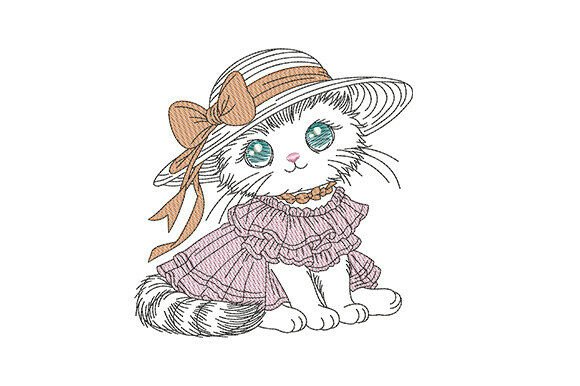
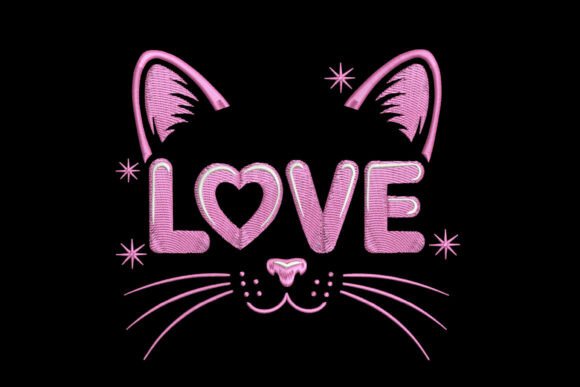
Upon loading the digital embroidery file into my software, the first thing that struck me about Love Cat was its inherent warmth. In the world of cat-themed embroidery, it is easy to find designs that are either too cartoonish for adult tastes or too realistic and dense for delicate fabrics. This design sits in a sweet spot of playful elegance. It feels modern yet timeless, possessing a charm that translates beautifully across different demographics. The lines suggest a personality that is sweet and approachable, making it an excellent candidate for items intended to evoke comfort and affection.
From a technical planning perspective, the design appears optimized for efficiency without sacrificing character. For small shop owners and Etsy sellers, time is money. A design that is "easy to stitch," as described, is a massive asset. During my initial simulation, the pathing seemed logical, minimizing unnecessary trims and jumps. This is crucial when you are running batches of embroidered towels or pillow covers. Fewer stops mean less wear on your machine and a cleaner backside to your finished product, which significantly boosts perceived value when a customer inspects their handmade gift.
Real-World Applications for Custom Orders
The true test of any embroidery file is how it performs on actual merchandise. I envisioned several specific scenarios where Love Cat would excel as a personalized gift. For baby embroidery projects, such as security blankets or bibs, the design’s gentle aesthetic is perfect. Parents often request motifs that are soft and non-aggressive, and this feline motif fits that brief perfectly. However, because babies are messy, I had to consider washability. The design seems robust enough to handle frequent laundering, provided the correct stabilizer is used during application.
Beyond the nursery, I see immense potential for wedding gifts and bridal party favors. Imagine a canvas tote bag featuring Love Cat alongside a bridesmaid's name; it strikes a balance between whimsical and useful. Unlike generic monograms, adding a themed element like this creates an emotional connection that makes the gift feel bespoke. For kitchen textiles, such as tea towels or aprons, the design adds a cozy, domestic touch that appeals to cat lovers hosting housewarmings or holiday gatherings. As an Etsy seller, listing these variations allows you to target multiple niches with a single high-quality asset.
Navigating Fabric Textures and Stabilizer Choices
While Love Cat is versatile, my experience dictates that placement and stabilization are non-negotiable for professional results. When testing on textured fabrics like terry cloth for an embroidered towel, I found that using a water-soluble topping was essential. Without it, the finer details of the cat’s expression risked getting lost in the pile. The stitch density appeared adequate to prevent sinking, but as with any machine embroidery design, you must verify this on your specific fabric weight before committing to a customer order.
Stretchy fabrics present another challenge. If you are applying this to baby onesies or knit t-shirts, a cut-away stabilizer is mandatory to prevent puckering. The design’s flow suggests it will lay flat well, but stretchy knits are unforgiving. I always recommend hooping the stabilizer and floating the garment rather than stretching the knit fabric in the hoop. For darker fabrics, thread color contrast becomes a critical factor. While the design likely includes standard colors, creating a custom colorway with lighter outlines or metallic accents can make the motif pop against navy or charcoal backgrounds, enhancing visibility and style.
Commercial Viability and Customer Trust
For those of us running a business, the "giftability" of a design directly correlates to sales. Love Cat possesses a universal appeal that reduces the friction of selling. Customers trust handmade products that look polished and intentional. Because this design avoids overly complex shading that can sometimes look messy on home machines, it maintains a clean, artisanal quality even at smaller sizes. This consistency builds buyer confidence. When a customer sees a crisp, well-defined cat motif in your product photography, they assume the same care will be applied to their custom name or date personalization.
Furthermore, the emotional resonance of this design supports higher price points. A plain towel is a commodity; a towel featuring a charming, professionally stitched Love Cat is a keepsake. For digital product sellers offering printable mockups, this design’s distinct silhouette makes for attractive preview images. Just ensure you are transparent about what is included. Always confirm commercial licensing terms before selling finished products. While the description highlights its suitability for crafting, verifying your rights to sell physical goods versus digital files protects your business longevity.
Essential Pre-Production Checklist
Before adding Love Cat to your permanent collection or accepting paid orders, run through this practical checklist to ensure success:
- Test on Scrap Fabric: Never stitch directly on a final product first. Use scraps identical to your target material to check tension and registration.
- Verify Hoop Size: Confirm the exact dimensions of the embroidery file match your available hoops. Resizing can alter stitch density and distort delicate features.
- Check Thread Colors: Review the color chart against your physical thread inventory. Substitutions should be tested for visual harmony, especially for facial details.
- Evaluate Small Details: If resizing down for baby clothes, inspect the test stitch-out for clarity. Eyes and whiskers are often the first casualties of reduction.
- Assess Wash Durability: Wash and dry your test swatch three times. Ensure the design holds up without fraying or distorting the base fabric.
- Review Licensing: Double-check the designer’s terms regarding commercial use, modification, and resale of the digital embroidery file itself.
Final Thoughts for Makers and Sellers
In my assessment, Love Cat represents a strong addition to a professional embroiderer's library. It bridges the gap between cute and classic, making it suitable for a wide array of personalized gift products. Whether you are creating nursery decor, custom tote bags, or unique wedding keepsakes, this design offers the flexibility needed for a diverse product line. Its ease of stitching respects your production time, while its personality ensures the finished product resonates emotionally with the recipient.
Remember that successful commercial embroidery is about more than just pretty pictures; it is about reliable execution and understanding your materials. By taking the time to test stabilizers, verify densities, and plan your colorways, you transform a digital file into a cherished heirloom. For small business owners and crafters looking to expand their offerings with a design that feels both fresh and dependable, Love Cat is certainly worth a test stitch. Always prioritize quality control and clear communication with your customers, and this charming feline motif will undoubtedly become a favorite in your personalized gift repertoire.