Cat in Pumpkin Bucket: A Merch Design Review
As an embroidery designer who regularly consults with small businesses on merchandise production, I approach every new machine embroidery design with a critical eye toward commercial viability. When evaluating the Cat in Pumpkin Bucket for branded use, my primary concern is not just aesthetic appeal, but technical performance across various business applications. This review assesses whether this specific digital asset can transition from a seasonal decoration to a functional component of your brand identity and product line.
Visual Personality and Commercial First Impressions
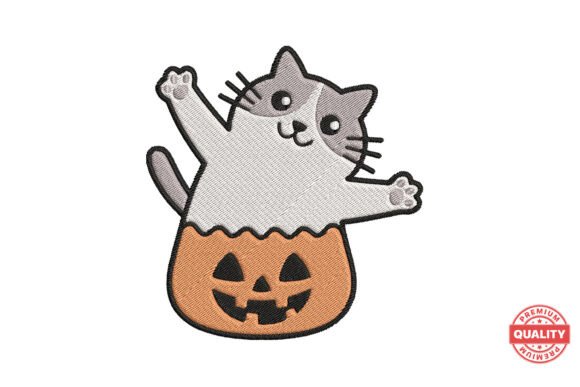
The immediate impression of Cat in Pumpkin Bucket is one of approachable professionalism. For businesses in the pet industry, boutique retail, or artisanal food sectors, this balance is crucial. The design avoids being overly cartoonish, which can sometimes undermine perceived value in custom apparel. Instead, it strikes a tone that feels handcrafted yet polished. This visual personality suggests it would perform exceptionally well for bakeries, florists, or creative studios looking to add a touch of whimsy without sacrificing their premium positioning.
From a merchandising perspective, the composition appears centered and balanced, which is vital for placement consistency. Whether applied as a left-chest logo on staff uniforms or a central motif on retail goods, the silhouette reads clearly at a glance. This clarity is essential for customer recognition in busy retail environments or social media photography where details can get lost.
Performance Across Business Applications
In real-world commercial embroidery scenarios, versatility determines return on investment. Based on the design's structure, here is how Cat in Pumpkin Bucket translates to specific business assets:
- Embroidered Patches: This design has strong potential as a standalone patch. The contained shape allows for clean merrowed edges or heat-seal backing application. It serves as an excellent add-on item for Etsy sellers or a collectible for loyal customers.
- Apron Embroidery: For cafés and florists, aprons are high-visibility branding real estate. The scale of this cat motif works well above a pocket or centered on the bib, providing a friendly focal point during customer interactions.
- Tote Bag Design: Canvas totes require bold imagery to stand out. The pumpkin bucket element provides necessary visual weight, ensuring the design does not disappear against the textured fabric background.
- Staff Uniforms: As a sleeve detail or cuff accent, this design adds personality to workwear without overwhelming professional attire. It humanizes staff members while maintaining uniform cohesion.
- Product Packaging: Beyond apparel, consider stitching this onto linen napkins, cloth bags, or jar cozies included with purchases. These tactile touches elevate the unboxing experience for handmade product brands.
Technical Constraints and Placement Warnings
While Cat in Pumpkin Bucket is described as ideal for beginners and experts, commercial production demands stricter scrutiny than hobbyist crafting. Small business owners must be aware of specific limitations before running bulk orders.
Cap Embroidery Challenges
Applying this design to structured caps requires careful evaluation. The vertical height of a pumpkin bucket combined with a cat may exceed the safe stitch area of standard cap frames. If the design is too tall, distortion will occur at the top and bottom curves. Always verify the dimensions against your specific cap frame specifications before attempting cap embroidery. You may need to request a resized version specifically optimized for curved surfaces.
Fabric Texture and Density
The description notes suitability for linens and apparel, but fabric texture dictates success. On high-pile fabrics like fleece or terry cloth, fine details in the cat’s face or pumpkin ridges may sink into the material. In these cases, using a water-soluble topping is mandatory to maintain definition. Conversely, on lightweight performance wear, ensure the stitch density isn't so heavy that it causes puckering or fabric damage. Test sew-outs on the exact garment you intend to sell are non-negotiable.
Washability and Durability
Merchandise intended for frequent washing, such as barista aprons or kitchen towels, faces significant wear. Verify that the thread colors selected are colorfast and that the design lacks excessively long satin stitches that could snag during industrial laundering. For high-use items, consider a denser fill stitch variation if available, or apply fray check to critical edges post-production.
Impact on Brand Value and Customer Trust
Your choice of design assets directly influences how customers perceive your business quality. A poorly executed embroidery file results in thread breaks, misalignment, and cheap-looking merchandise that damages trust. Cat in Pumpkin Bucket, when produced correctly, signals attention to detail. It tells customers that your brand values craftsmanship.
Furthermore, consistent use of this motif across multiple touchpoints—from staff shirts to retail packaging—reinforces visual memory. Customers begin to associate the image with your specific business. This is particularly powerful for seasonal marketing; however, because the design possesses a classic charm rather than overt holiday text, it retains relevance beyond October, extending the lifespan of your inventory investment.
Essential Designer Notes for Production
Before adding this digital embroidery file to your production queue, follow this professional checklist to ensure commercial readiness:
- Verify Licensing: Confirm the license explicitly permits commercial use on merchandise for sale. Personal use licenses do not cover branded business products.
- Check Hoop Size Compatibility: Ensure the design fits within your machine’s maximum embroidery area with adequate margin for hoop movement. Do not assume universal compatibility.
- Conduct Contrast Testing: Stitch a test sample in black and white first. This reveals whether the design relies too heavily on color differentiation to define shapes. If the image is unclear in grayscale, it may lack sufficient structural digitizing for reliable reproduction.
- Validate Stabilizer Selection: Match your stabilizer to the end product. Cutaway for stretchy apparel, tear-away for stable woven fabrics, and adhesive backing for patches. Incorrect stabilization is the leading cause of registration errors.
- Create Printable Mockups: Before committing to physical samples, generate a printable mockup to visualize placement and scale relative to the garment. Share this with clients or stakeholders for approval to avoid costly rework.
- Assess Small Size Legibility: If planning to use this as a tiny label or tag, inspect the digitizing for minimum stitch lengths. Details below 2mm often fail in production. Resize only if the file was originally digitized with scalability in mind.
- Compare Against Existing Assets: Place Cat in Pumpkin Bucket beside your current logo and other small business merch designs. Ensure the style, stitch type, and complexity level feel cohesive within your broader product ecosystem.
Making the Final Decision
Cat in Pumpkin Bucket presents a strong opportunity for businesses seeking to blend seasonal warmth with enduring brand character. Its suitability for both beginners and experts suggests accessible digitizing, yet its application in commercial embroidery requires disciplined testing and strategic placement. By respecting technical parameters regarding hoop size, fabric interaction, and licensing, small business owners can transform this charming motif into a profitable, professional asset that resonates with customers and enhances product value. Always prioritize a physical test sew-out over digital assumptions to guarantee your finished product meets the standards your brand deserves.