Sewing Corner Sewing Tools: A Designer Review
As an embroidery designer preparing for a busy weekend craft fair, I am constantly evaluating which digital assets will translate best into physical sales. When reviewing the Sewing Corner Sewing Tools design, my primary focus is on versatility and shelf appeal. This machine embroidery design immediately strikes me as a charming, niche-specific graphic that speaks directly to fellow makers and sewing enthusiasts. It possesses a distinct "maker aesthetic" that feels authentic rather than generic, making it an ideal candidate for products targeting customers who appreciate the art of sewing crafts.
First Impressions and Visual Appeal
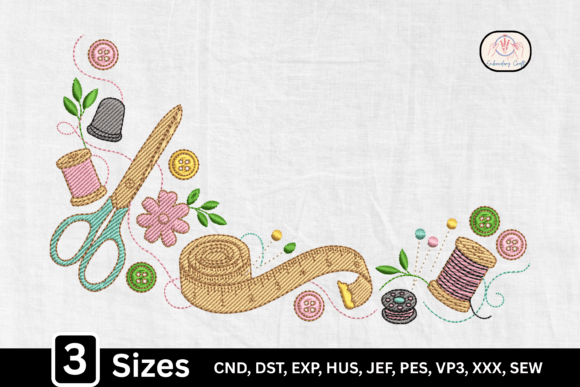
Upon loading the embroidery file into my software, the first impression is one of organized creativity. The composition suggests a collection of essential tools—scissors, thread spools, needles, or bobbins—arranged in a corner formation. This layout is strategically brilliant for retail products because it frames the item without overwhelming the center space. For an Etsy seller or boutique maker, this negative space is valuable real estate for personalization or branding.
The mood of Sewing Corner Sewing Tools leans towards a cozy, artisanal vibe. It does not feel overly industrial or stark; instead, it evokes the warmth of a home studio. This makes it particularly effective for handmade product lines that emphasize comfort and tradition. Whether you are aiming for a modern minimalist look or a rustic farmhouse style, the success of this design depends heavily on your thread color choices. Using variegated threads for the tools can add depth, while solid, high-contrast colors ensure the design reads clearly from a distance at a crowded market booth.
Best Performing Products for Craft Fairs
When stocking a table display, I need items that sell quickly and showcase the design's strengths. Based on the corner placement and thematic content, here is how Sewing Corner Sewing Tools performs across different categories:
- Apron Embroidery: This is arguably the strongest application. Placing the design on the upper chest or lower pocket area of a canvas apron creates an instant uniform for sewists. At a craft fair, these serve as walking advertisements when worn by vendors or staff.
- Tote Bag Design: Canvas market bags are staple sellers. The corner orientation allows the bag to retain functionality while adding decorative flair. Customers often buy these as gifts for quilters or tailors, making them high-value giftable handmade items.
- Tea Towel Embroidery: Kitchen textiles are volume sellers. Because this design acts as a border frame element, it leaves ample room for monograms or witty sewing quotes in the center, increasing the perceived value of the finished product.
- Small Pouches and Zipper Bags: For higher price points, cosmetic or tool pouches featuring this design attract buyers looking for organization accessories. The detailed nature of sewing tools scales well on smaller items, provided the stitch density is managed correctly.
Production Practicality and Batch Efficiency
For commercial embroidery and small shop product creation, efficiency is just as important as aesthetics. Sewing Corner Sewing Tools offers significant advantages for batch production. Corner designs typically require less re-hooping time compared to full-center placements, especially on tubular items or pre-made garments. This streamlines the workflow when producing twenty tea towels or fifteen aprons for a weekend event.
From a photography standpoint, this design is highly photogenic. The asymmetrical balance creates dynamic lines in product photos, avoiding the static look of perfectly centered logos. For digital sellers creating printable mockups, the corner placement mimics professional retail packaging standards, helping potential buyers visualize the final result instantly. However, always verify the specific hoop size requirements before committing to a large production run to ensure the design fits your available equipment without excessive resizing.
Critical Use Notes for Professional Results
While charming, tool-themed designs present specific technical challenges that every experienced embroiderer must navigate. Sewing tools often feature thin lines, metallic sheens, and intricate details that can be lost if not executed properly.
- Fabric Texture Matters: Avoid using this design on high-pile terry cloth or thick fleece without proper preparation. The fine details of scissors or needle eyes can sink into textured fabrics. Use a water-soluble topping to keep stitches crisp and visible.
- Stitch Density Check: Before running a full batch, inspect the stitch density. If the design has been resized significantly, the fill stitches may become too dense, causing puckering on lighter fabrics like quilting cotton, or too sparse on heavier canvas. Adjust pull compensation as needed.
- Thread Contrast: Tool designs rely on definition. Stitching silver scissors on grey fabric will disappear. Test thread colors against your base fabric under natural lighting conditions similar to your outdoor booth setup.
- Cap Curvature: If applying this to caps, be aware that corner designs can distort on curved surfaces. Ensure the design is digitized specifically for caps or use a flat brim style to maintain geometric integrity.
Enhancing Brand Value and Customer Engagement
In the competitive landscape of sewing crafts, specificity sells. Generic floral borders are common, but Sewing Corner Sewing Tools signals to the customer that you understand their passion. This targeted relevance increases buyer engagement. When a quilter sees an embroidered patch or pillow cover featuring familiar tools, they feel seen and understood. This emotional connection drives sales more effectively than generic decoration.
Furthermore, this design supports brand consistency. By using the same corner motif across aprons, tote bags, and even business card holders, you create a cohesive visual identity for your booth. This professionalism justifies premium pricing. Customers are willing to pay more for a finished product that looks curated and intentional rather than random.
Designer’s Pre-Production Checklist
Before listing any item featuring this digital embroidery file, adhere to this quality control protocol:
- Test Stitch-Out: Never skip this step. Run the design on scrap fabric identical to your production material. Check for registration errors between color changes.
- Stabilizer Selection: Confirm you are using the correct stabilizer. Cut-away backing is usually superior for wearables like aprons to prevent distortion after washing, while tear-away may suffice for stable tea towels.
- Licensing Verification: Always review the license terms included with the embroidery file. Confirm whether you have rights for commercial embroidery on finished goods or if the license restricts usage to personal projects only.
- Mockup Creation: Create at least one real photo mockup rather than relying solely on digital renders. Real photos show texture and scale, reducing customer returns and inquiries.
- Size Validation: Measure the actual stitched dimensions against the product. A 4-inch corner design might look perfect on a tote bag but overpower a small zipper pull. Scale appropriately for each substrate.
Sewing Corner Sewing Tools represents a smart investment for makers focusing on the sewing and quilting niche. Its combination of thematic relevance, practical layout, and charm makes it a reliable workhorse for craft fair inventory. By paying attention to technical execution and strategic product placement, this design can elevate your handmade offerings from simple crafts to desirable, professional-grade merchandise. Remember, the goal is not just to embroider a file, but to create a product that resonates with the community you serve.