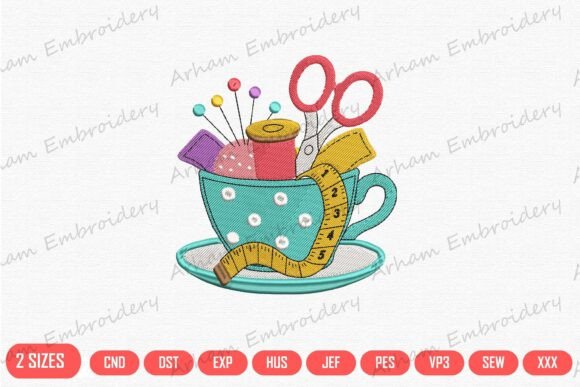
Vintage Teacup Sewing Essentials: A Designer Review
As an embroidery designer who constantly evaluates digital assets for both personal enjoyment and commercial production, I approach every new machine embroidery design with a critical eye. It is not enough for a graphic to look charming on a screen; it must translate into thread, withstand washing, and ultimately sell the story of handmade quality. When I first loaded the Vintage Teacup Sewing Essentials file into my software, I was looking for more than just nostalgia. I needed to know if this motif could carry the weight of a professional product line while retaining the whimsy that attracts customers in the sewing niche.
First Impressions and Visual Hierarchy
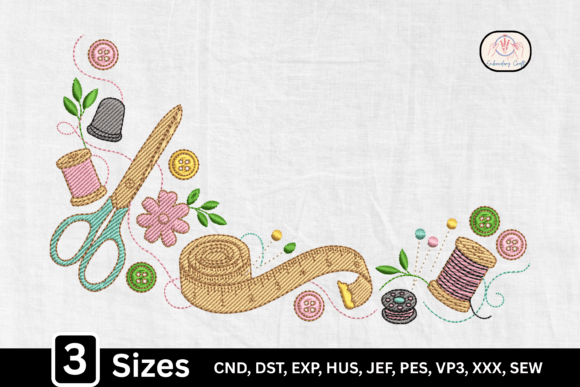
The immediate appeal of Vintage Teacup Sewing Essentials lies in its balanced composition. In the world of Sewing Crafts, visual clutter is the enemy of clean stitching. This design avoids that trap by using the teacup as a natural container for the tools. The colorful scissors, thread spools, measuring tape, and pins are arranged with intention rather than being piled randomly. From a digitizing perspective, this layout suggests a thoughtful separation of elements, which usually translates to fewer jump stitches and cleaner color changes during production.
The mood is distinctly cozy yet functional. It does not feel like a generic clip-art trace but rather a curated illustration meant to celebrate the maker’s lifestyle. For an Etsy seller or boutique owner, this specific aesthetic signals "heritage" and "quality" to buyers before they even touch the fabric. The vintage styling implies a level of craftsmanship that aligns perfectly with higher price points for finished goods.
Real-World Application: The Canvas Tote Test
To truly evaluate this embroidery project, I envisioned a real-life scenario: creating a premium canvas tote bag for a quilting retreat gift shop. Totes are unforgiving because the fabric is thick, and the usage is rugged. I needed to determine if Vintage Teacup Sewing Essentials would hold up as a centerpiece tote bag design.
In this application, the design performs exceptionally well as a focal point. The variety of tools depicted allows for diverse thread colors, which adds necessary contrast against natural or cream-colored canvas. When stitching out the sample, the interplay between the solid cup shape and the linear details of the scissors and tape created a pleasing textural variance. Customers browsing a craft fair or online listing respond to this depth; it looks substantial and expensive rather than flat and mass-produced.
For custom apparel, such as a denim apron or a sweatshirt, the design scales effectively. On an apron, it serves as a badge of honor for the wearer, identifying them as part of the sewing tribe. On a sweatshirt, it offers a softer, more feminine alternative to standard typography-based designs. The key here is placement; center-chest or lower-hem positioning works best to maintain the integrity of the teacup’s proportions without distorting on curved garments.
Technical Considerations and Fabric Limitations
While versatile, Vintage Teacup Sewing Essentials requires strategic planning regarding fabric texture and stabilizer choice. Not all surfaces are created equal when rendering intricate tool details.
- Textured Fabrics: If you plan to use this on terry cloth tea towels or waffle-weave blankets, you must use a water-soluble topping. Without it, the finer details of the pins and thread spools will sink into the pile, resulting in a muddy finished product. The design relies on clarity, and texture can obscure that.
- Stretchy Knits: For baby embroidery or stretchy t-shirts, ensure your stitch density is appropriate. If the design includes heavy fill areas in the teacup body, use a cut-away stabilizer to prevent puckering. Lightweight knits may struggle to support dense satin stitch borders without proper backing.
- Small Hoop Sizes: Be cautious when resizing down for 4x4 hoops or smaller cap frames. The tiny details of the measuring tape markings and pinheads are often the first casualties of reduction. Always verify legibility at smaller sizes before committing to production.
- Dark Fabrics: While the colorful tools pop on dark backgrounds, ensure there is sufficient underlay. Dark fabrics can sometimes show through lighter thread colors if the coverage isn't adequate, dulling the vintage palette.
Commercial Viability and Brand Consistency
For creative entrepreneurs and small shop product developers, consistency is currency. Vintage Teacup Sewing Essentials acts as a strong anchor for brand identity. Because it encapsulates multiple symbols of the trade (scissors, thread, tape), it works as a universal logo substitute for sewing-related businesses without being overtly corporate.
When creating printable mockups for digital listings, this design photographs beautifully because of its distinct silhouette. Buyers can instantly recognize the theme even in thumbnail size. This recognition factor is crucial for commercial embroidery success. Whether you are selling the physical item or the digital embroidery file itself, the clear visual communication reduces buyer hesitation.
Furthermore, this design bridges the gap between personal gifting and retail merchandise. It is appropriate for a personalized gift for a grandmother who quilts, yet professional enough for branded packaging or staff uniforms at a fabric store. This dual utility maximizes the return on investment for the embroidery file.
Designer Notes for Successful Execution
Before running Vintage Teacup Sewing Essentials on a final garment or product for sale, adhere to these practical protocols to ensure professional results:
- Verify Specifications: Always check the included documentation for exact stitch counts, recommended hoop size, and licensing terms. Do not assume compatibility with your specific machine format or commercial usage rights without confirmation.
- Test Stitch Out: Never skip the test run on scrap fabric that matches your final project's weight and weave. Inspect the registration of the scissors and spools; misalignment in multi-color designs is the fastest way to devalue a handmade product.
- Contrast Check: View your thread selection in natural light. Vintage palettes can sometimes appear washed out under artificial shop lighting. Ensure the scissors and tape stand out distinctly from the teacup body.
- Maintenance Testing: If producing items like tea towels or baby clothes that require frequent laundering, wash and dry your test swatch. Verify that the satin stitch edges remain secure and that the design does not distort after shrinkage.
- Licensing Compliance: If you intend to sell this as a standalone applique design or include it in a bundle, confirm that your license permits digital redistribution. Most designers restrict resale of the raw file while allowing sales of stitched-out products.
Final Verdict on Design Utility
Vintage Teacup Sewing Essentials earns its place in a professional digitizer’s library not just through charm, but through functional versatility. It respects the intelligence of the maker community by depicting accurate tools within an aesthetically pleasing framework. For the craft business owner, it offers a reliable, high-perceived-value motif that translates across various substrates from denim to linen.
Success with this design depends on respecting the technical requirements of Embroidery. By paying attention to stabilizer choices, fabric limitations, and detail preservation during resizing, you transform a digital file into a tangible asset that celebrates the joy of sewing. Whether used for a bespoke holiday embroidery gift or a staple inventory item in an online shop, this teacup carries the narrative of handmade creativity with grace and durability. It is a testament to how thoughtful design elevates the entire category of sewing crafts, turning simple thread and fabric into something that resonates deeply with the maker’s heart.